LIST OF PLANTS FROM SELECTED AREA
1.ACROSTICHUM (MANGROVE FERN/GOLDEN LEATHER FERN)
FAMILY:PTERIDACEAE
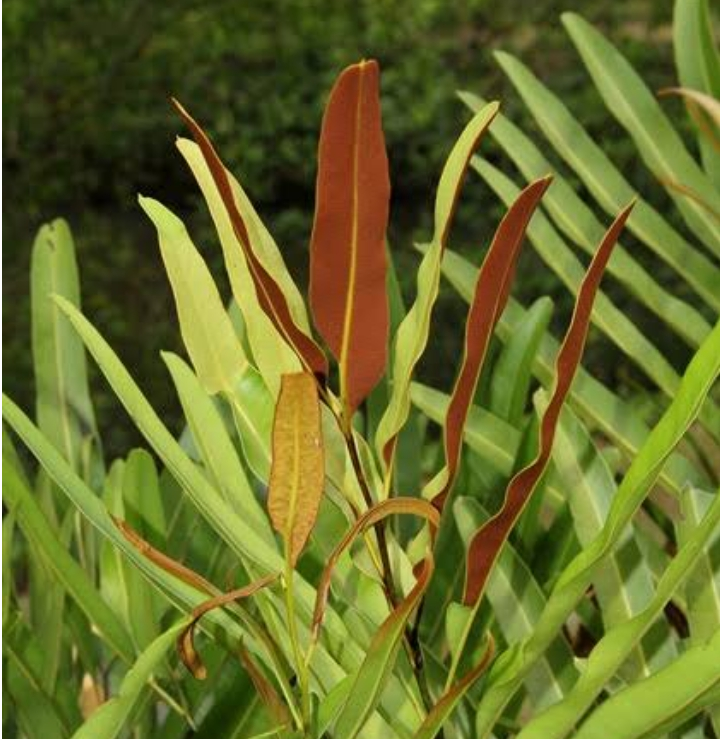
Acrostichum (commonly known as the mangrove fern or leather fern) acts as a highly adaptive and pioneering invasive weed in degraded or clear-cut coastal environments. While native to pantropical wetland zones, species like Acrostichum aureum rapidly colonize areas stripped of local vegetation. Because it thrives under full sun exposure and exhibits a high tolerance for salinity, it aggressively outcompetes other flora in disturbed habitats. Its dense, gregarious growth forms thick, tall thickets—often reaching up to 3.7 meters—that effectively block sunlight and physically interfere with the natural regeneration of vital native mangrove trees
2.PANIC GRASS
FAMILY:GRASS FAMILY
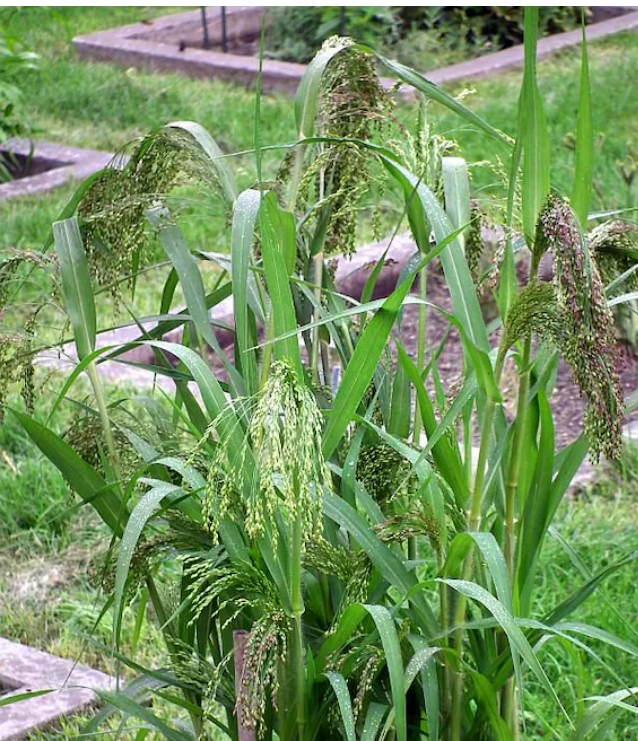
Different species of panic grass (genus Panicum) have different behaviors; some are native and benign, while others, like torpedo grass (Panicum repens), are aggressively invasive. The invasive species are known for their ability to form dense, sprawling colonies that displace native vegetation, particularly in moist habitats.
3.CAYRATIA JAPONICA (BUSHKILLER)
FAMILY:VITACEAE
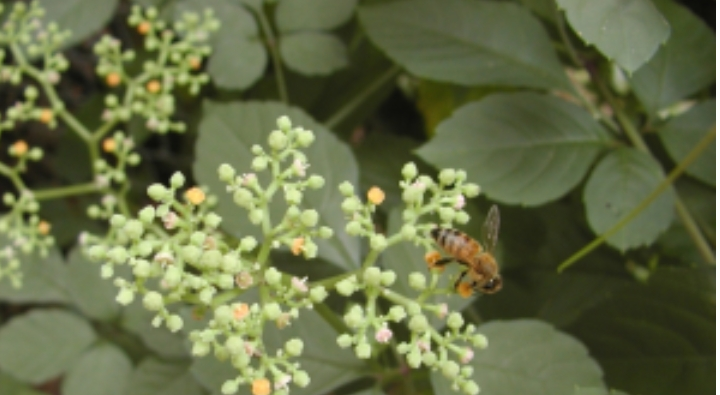
Cayratia japonica, commonly known as bushkiller (and recently reclassified by some authorities as Causonis japonica), is a highly aggressive, perennial climbing vine in the grape family (Vitaceae) native to temperate and subtropical Asia. Introduced to regions like the United States, it has become a severe invasive threat by forming dense, heavy mats that blanket native vegetation, completely blocking out crucial sunlight and physically weighing down host plants. The vine aggressively spreads through a robust network of underground rhizomes and can rapidly regenerate from any leftover root fragments, making mechanical eradication incredibly difficult. Beyond outcompeting native flora, it acts as a hazardous wildfire ladder by climbing high into tree canopies and serves as a host for destructive agricultural pests like chilli thrips.
4.IPOMOEA CARNEA (MORNING GLORY)
FAMILY:CONVOLVULACEAE
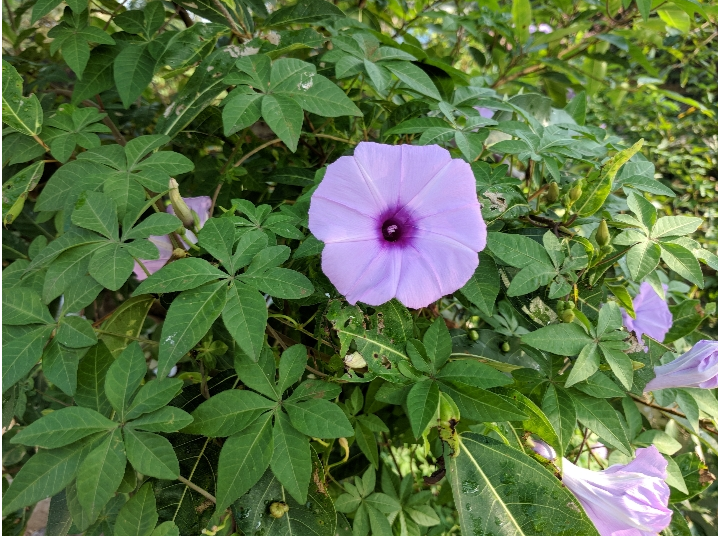
Ipomoea carnea (commonly known as the bush morning glory or pink morning glory) is a semi-woody perennial shrub native to tropical America that has become a widespread and aggressive invasive species across parts of Africa, Asia, and North America. Growing 1 to 3 meters tall (or sprawling like a vine up to 6 meters), it features heart-shaped leaves, milky sap, and clusters of trumpet-shaped, pink to lilac-rose flowers. The plant thrives in diverse environments ranging from dry soils to aquatic and wetland habitats, spreading rapidly through seeds and stem fragments. It poses serious ecological and agricultural threats by choking out native vegetation, reducing local biodiversity, and producing toxic compounds like swainsonine that poison livestock.